Why Non-Psychoactive Pet Treats Are Gaining Popularity in Pet Wellness
Understanding the Shift Toward Non-Psychoactive Pet Treats
Over the past few years, I have watched the pet wellness landscape change in ways I never expected. Clients who once dismissed any supplement with hemp or cannabis connections are now asking thoughtful questions about non-psychoactive pet treats. The distinction matters, especially for owners who want the therapeutic benefits of hemp without any mind-altering effects. This shift is not a passing trend. It reflects a deeper understanding of how natural supplements can support canine nutrition and feline health without compromising safety.
One of the first things I learned when I started consulting on pet health is that many owners worry about giving their animals anything derived from cannabis. They picture their dog acting disoriented or anxious, which is the opposite of what they want. The beauty of non-psychoactive pet treats is that they contain compounds like CBD, which interact with the endocannabinoid system but do not produce a high. This distinction opens the door for products that address anxiety relief, joint discomfort, and everyday stress without the psychoactive component. I have seen anxious rescue dogs settle within days of starting a routine with calming chews, and that kind of change is hard to argue with.
What Makes a Pet Treat Non-Psychoactive?
To understand non-psychoactive pet treats, you have to look at the active ingredients. Hemp treats that are non-psychoactive typically contain less than 0.3% THC, the compound responsible for intoxication. Instead, they rely on CBD, omega fatty acids, and other plant-based compounds. I often tell owners to think of it like giving their cat chamomile tea instead of a sedative. The effect is gentle, supportive, and rooted in the animal's own regulatory systems.
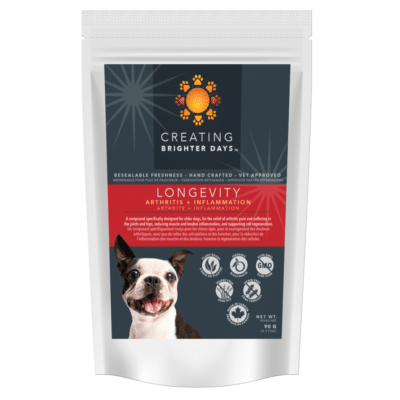
Manufacturers like Kush Station have developed lines of nutraceuticals specifically for pets. These products combine ingredients like turmeric for inflammation, glucosamine and chondroitin for hip and joint support, and melatonin or chamomile for calming effects. The result is a treat that addresses multiple aspects of pet wellness at once. I have recommended these to clients whose older dogs struggle with stairs or whose cats hide during thunderstorms. In most cases, the improvement is noticeable within a week or two.
Real Benefits Beyond the Hype
When I evaluate a product for a client, I look for evidence that the ingredients actually do what they claim. With non-psychoactive pet treats, the research is still emerging, but early studies and veterinary recommended formulations are promising. For instance, CBD has shown potential for reducing seizure frequency in dogs and easing anxiety in both dogs and cats. Omega fatty acids support skin and coat health, and they also play a role in cognitive function. I have a personal story here: a friend's senior Labrador started showing signs of stiffness after walks. Within three weeks of adding a hemp treat with glucosamine and chondroitin to her routine, she was jumping onto the couch again. That is the kind of result that keeps owners coming back.
It is important to note that not all products are created equal. Some treats on the market use low-quality hemp or synthetic additives. I always advise looking for organic ingredients and third-party testing. A reputable source, such as Kush Station, will provide clear labeling and batch-specific information. This transparency is critical when you are giving anything to your pet, especially if they have existing health conditions or take other medications.
Choosing the Right Treat for Your Pet
Selecting the best non-psychoactive pet treats depends on your pet's specific needs. Here is a quick guide based on common concerns:
- Anxiety relief: Look for calming chews that include CBD, chamomile, and melatonin. These work well for separation anxiety, travel stress, or noise phobias.
- Hip and joint support: Treats with glucosamine, chondroitin, and turmeric can help maintain mobility in older dogs and cats.
- General wellness: A broad-spectrum hemp treat with omega fatty acids and CBD can support immune function and overall balance.
I always recommend starting with a lower dosage and observing your pet for a few days. Every animal metabolizes supplements differently, and what works for one may not suit another. If you are switching from a pharmaceutical option, give the natural supplement at least two weeks before evaluating the effect. Patience is key.
Integrating Treats Into a Daily Routine
One of the most common questions I get is how to introduce these treats without causing digestive upset. My advice is to start slowly. Break a calming chew into small pieces and mix it into their regular food. Over a few days, increase the amount until you reach the recommended serving size. Most pets take to the flavor quickly, especially if the treat has a meaty base or is made with real chicken or beef.
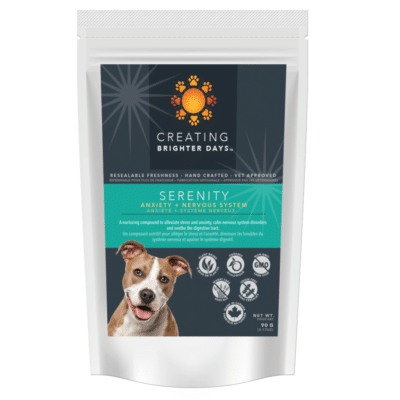
I have also found that consistency matters more than dosage. Giving a treat sporadically will not produce the same results as a daily routine. For anxiety relief, timing can be important too. If your dog gets nervous during thunderstorms, offer the treat an hour before the storm is expected. For hip and joint support, giving the treat with their evening meal can help with overnight stiffness.
What to Avoid
Not everything labeled as a hemp treat is safe or effective. I have seen products that contain synthetic cannabinoids or excessive THC, which can cause sedation, vomiting, or worse. Always check that the treat is explicitly labeled as non-psychoactive. Reputable brands like Kush Station make this clear on their packaging. Also, avoid treats that list vague terms like "hemp extract" without specifying the cannabinoid profile. You deserve to know exactly what you are giving your pet.
Another red flag is products that promise instant results. Natural supplements work gradually. If a company claims their treat will cure anxiety overnight, that is a sign of marketing over substance. Real pet wellness is about long-term support, not quick fixes.
The Future of Pet Wellness
As more owners embrace natural supplements, the market for non-psychoactive pet treats will only grow. I expect to see more research on how specific compounds like CBD interact with feline health and canine nutrition. Already, veterinary schools are including courses on cannabinoid therapy for animals. This is a field that is moving from fringe to mainstream, and the beneficiaries are the pets themselves.
If you are curious about trying these treats, start with a product that targets your pet's most pressing issue. Whether it is anxiety relief, hip and joint support, or general wellness, there is likely a nutraceutical option that fits. I have seen too many pets thrive on these products to dismiss them as a fad. They represent a thoughtful, science-informed approach to pet health that respects both the animal and the owner's concerns.
In my experience, the owners who are most satisfied are the ones who do their homework and choose quality over price. They ask questions, read labels, and observe their pets closely. If that sounds like you, then non-psychoactive pet treats might be exactly what your companion needs.